Chase Spead

PEOPLE OF DISCOVERY

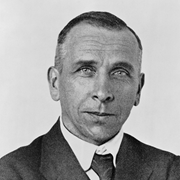
ALFRED WEGENER

 METEOROLOGIST/GEOPHYSICIST

Alfred wegener made the continental drift theory , he stated that the continents fit like puzzle pieces.

He also stated that there are similar geographic features in different parts of the world including coal , fossils , mountains. But one issue is that his theory could not be proven true because people still argue to this day that if its true or not.

HARRY HAMMOND HESS

GEOLOGIST

He hypothesized that the sea-floor was spreading from vents in the Rift, where hot magma went  up. As the magma cooled it forced the existing sea-floor away from the Rift on either side. This theory accounted for and united several separate puzzles in marine geology: the youth of the ocean floor, the presence of island arcs, the deep sea trenches, and the origin of the mid ocean ridges.


LAND FEATURES

Volcanoes

Volcanoes are the result of tectonic activity at divergent plate boundaries, where two tectonic plates move apart from each other. This movement causes molten rock, or magma, to well up from the Earth's mantle and erupt onto the surface as lava. In addition to this explosive display of volcanic activity, shallow earthquakes are often associated with this process as the earth's crust adjusts to the movement of the plates.


Mid-ocean Ridge

Mid-ocean ridges are a significant feature of the ocean floor, where underwater mountain ranges form due to the movement of tectonic plates. These ridges are created as a result of the divergent movement of two tectonic plates, causing them to pull apart from each other. As they separate, magma from the mantle beneath the Earth's crust rises to fill the gap, solidifying and creating new crust in a process known as seafloor spreading.

Folded Mountains

Folded mountains form when tectonic plates collide and are pushed together. This collision causes heavy pressure at the boundaries, leading to the rocks being folded and warped into towering mountain ranges over millions of years. The creation of folded mountains shows the power of how the forces work within the Earth's crust, shaping our planet's landforms over time.


.

PLATE BOUNDARIES

Divergent Plate Boundary

A divergent plate boundary is an earth feature where two tectonic plates are moving apart from each other. This movement creates a gap that allows magma from the mantle to rise and solidify to form a new crust. These boundaries are commonly found along mid-ocean ridges, where new oceanic crust is being formed as the plates move away from each other.


Convergent Plate Boundary

A convergent boundary is a geologic feature where two or more of the Earth's lithospheric plates come together. These boundaries were formed by intense geological activity, such as earthquakes, volcanic eruptions, and the formation of mountain ranges. When two plates collide, one typically slides beneath the other in a process called subduction. This movement can result in the melting of rock deep within the Earth's mantle, creating magma that may eventually erupt as volcanoes. The collision and subduction along convergent boundaries also lead to the formation of deep ocean trenches and uplifted land masses.


Transform Plate Boundary

A transform fault boundary is a type of plate boundary characterized by horizontal motion along the fault line. This occurs when two tectonic plates slide past each other horizontally, in opposite but parallel directions. As the plates move, they generate friction along the fault line, leading to earthquakes.


UNIT 4 PROJECT

By Chase Spead